
/
Cases
1) Project Snapshot
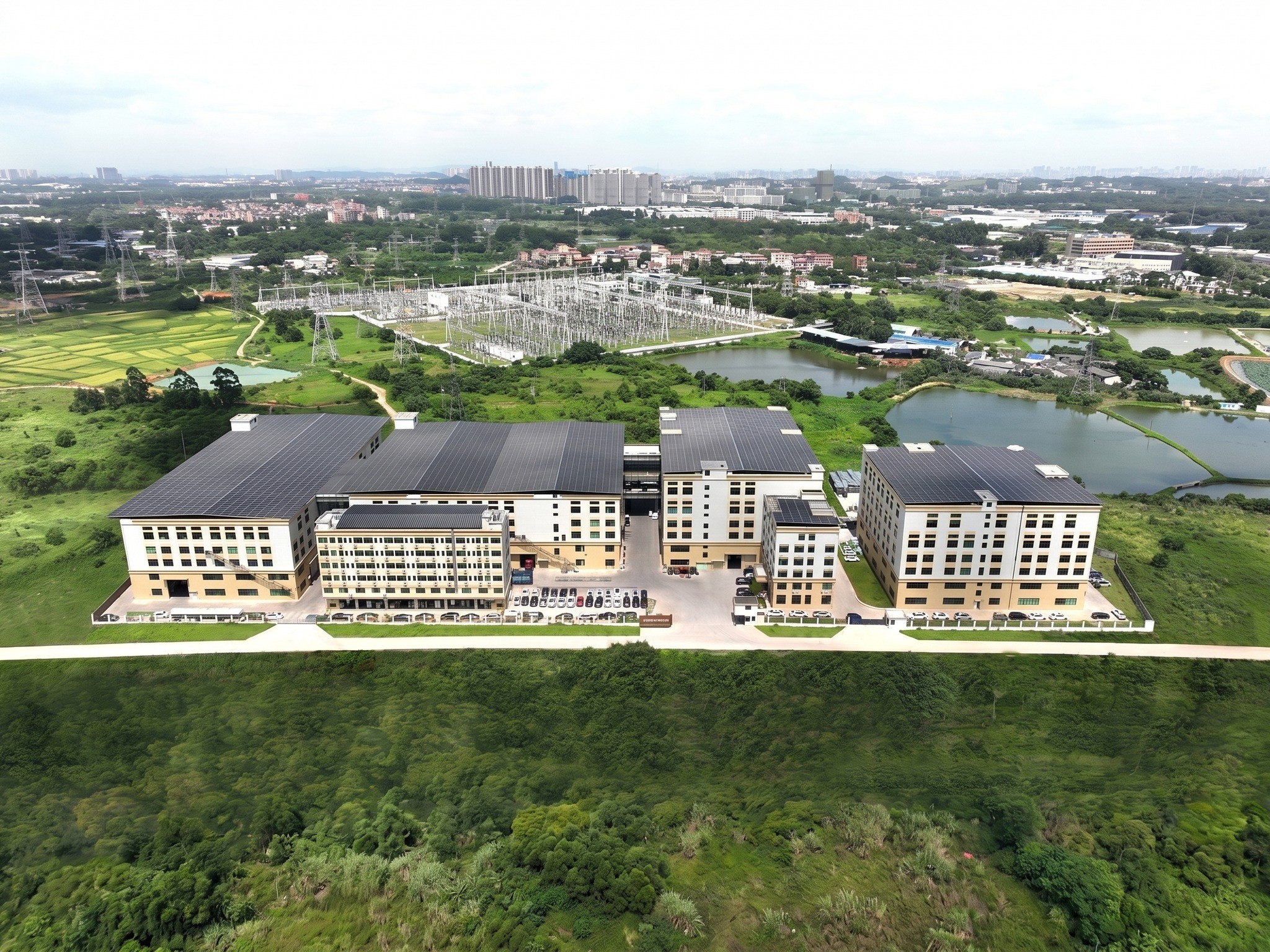
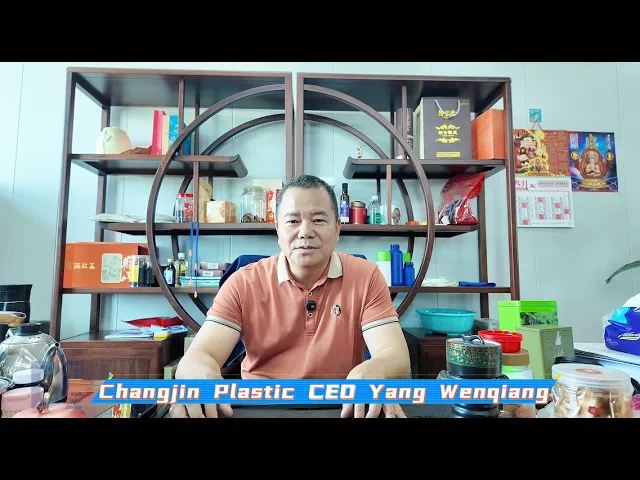
Customer: Foshan Nanhai Changjin Plastic Can Manufacturing Co., Ltd. (Foshan Changjin)
Location: Foshan, Guangdong, China
First cooperation year: 2017
Scope supplied:
IBC Inner Tank EBM System: DMB1000L-3 × 5 (plus DMB200L / CS25L related equipment)
IBC Cage Production Line: 2 lines
Main product: 1000L IBC (inner tank + cage + final assembly)
Target outcomes: Increase output rate, reduce energy consumption, reduce inner tank weight (material cost), and ensure stable quality on key checkpoints
Current production reference (from meeting notes):
Inner tank weight: ~13.5 kg
Output: ~25 pcs/hour, ~600 pcs/day
2) Customer Overview
Foshan Nanhai Changjin Plastic Can Manufacturing Co., Ltd. is a manufacturer of plastic packaging containers.
Produces 20L–1000L plastic container packaging for industries such as petroleum, chemicals, food, pharmaceuticals, construction, transportation, and automotive.
Operates a sizeable production base with multiple blow molding and injection molding machines.
Holds management system certifications including ISO 9001, ISO 14001, and ISO 45001 (as stated on its website), and manufactures products aligned with relevant national standards.
This strong manufacturing foundation also means their expectations for equipment stability, throughput consistency, and quality control are particularly high—especially for IBC products where market pricing is competitive and quality requirements are strict.
3) Background: Why an Upgrade Was Needed
When Changjin first approached the project, their existing equipment had three clear limitations:
Low utilization due to cost and efficiency
The legacy machine represented a high capital investment, yet it was not run continuously—approximately “one week per month” at the time.Market competition demanded lower cost per IBC
With intensified competition, the selling price of IBCs moved down significantly compared to earlier years (per the customer’s historical description). To stay competitive, they needed to reduce unit cost and improve output.Energy consumption and speed were no longer acceptable
The legacy setup was slower and consumed much more power, creating long-term operating cost pressure.
4) Solution Delivered
4.1 Inner tank process highlights
The production line was built to fit Changjin’s established quality checkpoints and shopfloor workflow, including:
DMB1000L-3 machine 5 sets
Valve welding
Water-bath valve leak-tightness testing (air-tightness)
4.2 Cage line configuration (2 lines)
The cage lines cover the key operations required for IBC cage production and final assembly matching:
Base frame welding
Mesh welding
Bending & locking
Cage punching
Screw fastening
Accessories & inner tank assembly, top bar installation, cap tightening
5) Implementation Experience
The project was executed around a practical principle: stable mass production matters more than a one-time demo run.
During the cooperation, both teams aligned on measurable targets—throughput, energy use, weight reduction, and critical quality gates (especially valve welding and leak-tightness). Commissioning and process validation were carried out step-by-step to ensure the upgraded line could run reliably under real production conditions.
In parallel, the cage line workflow was tuned to match upstream output and downstream assembly rhythm, helping Changjin form a more balanced, repeatable production process.
6) Results & Improvements
6.1 Weight reduction (material savings)
Legacy inner tank weight: ~16 kg
After upgrade: ~14 kg
Reduction: ~12.5%
6.2 Energy reduction
Legacy energy consumption: ~400 kW/h
After upgrade: ~150 kW/h
6.3 Throughput increase
Legacy speed: ~15 pcs/hour
After upgrade: ~20 pcs/hour (and the current reference target achieved ~25 pcs/hour)
7) Customer Feedback
For Changjin, the value of the upgrade was not only in installing new equipment, but in achieving a more controllable cost structure and more predictable output.
By reducing inner tank weight and lowering power consumption while improving throughput, the line helped Changjin respond to competitive market pricing with better margins and stronger production resilience.
Just as importantly, the solution respected their critical quality requirements—valve welding and leak-tightness checks—so productivity gains did not come at the expense of reliability.
Recent Post

Creative gold for your inbox
Get the latest articles and insights delivered straight to your inbox. Sign up today to stay informed and ahead of the competition.